

Selling blood plasma is a valuable way to contribute to medical research and help individuals in need. In this article, we will explore the process of selling blood plasma, including eligibility requirements, preparation, donation procedure, and post-donation care. Whether you are a first-time donor or a regular contributor, understanding the ins and outs of the process can help ensure a smooth and successful donation experience.
Understanding Blood Plasma
Before delving into the process of selling blood plasma, it’s essential to understand what plasma is and its significance in medical treatments. Blood plasma is the yellowish liquid component of blood that carries essential nutrients, hormones, and proteins throughout the body. It is essential for sustaining healthy blood volume and a number of biological processes, such as immunity and clotting. Plasma is also rich in antibodies, making it a vital component in the treatment of certain medical conditions.
Eligibility Requirements
Before you can sell blood plasma, you must meet certain eligibility requirements set by plasma donation centers. These requirements typically include age restrictions, weight minimums, and general health criteria. Additionally, individuals must pass a health screening to ensure that their plasma is safe for donation. This screening may involve questions about medical history, as well as tests for infectious diseases such as HIV and hepatitis. You will be allowed to continue with the donation process if you satisfy the requirements and pass the health examination.
Preparation
To prepare for a blood plasma donation, it’s essential to stay hydrated and eat a nutritious meal beforehand. By keeping your body properly hydrated, drinking lots of water facilitates the process of drawing blood and plasma for donation. Additionally, eating a balanced meal rich in protein, carbohydrates, and vitamins can help replenish your energy levels and reduce the risk of feeling lightheaded or dizzy during donation. As these drugs might alter your blood pressure and hydration levels, avoid ingesting alcohol or caffeine prior to your donation.
Donation Procedure
The donation process typically involves several steps, including registration, health screening, and plasma collection. Upon arrival at the donation center, you will be asked to complete a registration form and provide identification. You will go through a health screening after registering, which can involve a physical examination and a review of your medical history. After passing the health screening, you will proceed to the donation area, where trained staff will guide you through the plasma collection process.
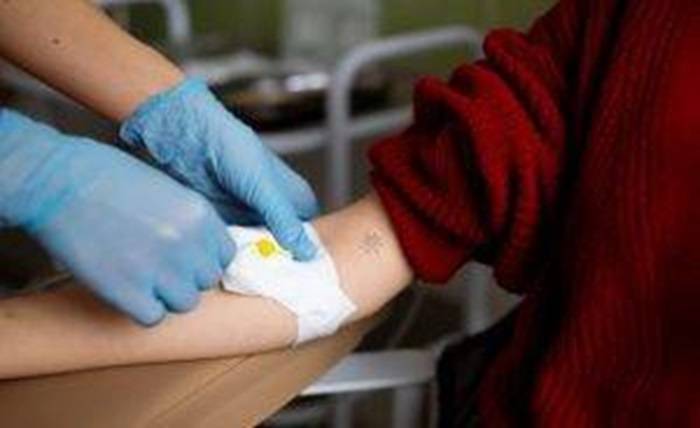
A little needle will be put into a vein in your arm during plasma collection, and blood will be extracted into a specialized machine. The device gathers the plasma in a sterile bag after separating it from the other elements of your blood, such as red blood cells and platelets. The remaining blood components are subsequently reintroduced into your body using the same syringe, guaranteeing that the donation procedure causes you as little discomfort as possible. Once the collection is complete, you will be able to rest and hydrate before leaving the donation center.
Post-Donation Care
After donating blood plasma, it’s essential to take care of yourself and monitor for any potential side effects. While most donors experience few or no side effects, some individuals may feel lightheaded, dizzy, or fatigued after a donation. If you experience any of these symptoms, it’s important to rest, drink plenty of fluids, and avoid strenuous activity until you feel better. Additionally, be sure to follow any specific post-donation instructions provided by the donation center, such as avoiding heavy lifting or alcohol consumption.
Conclusion
Selling blood plasma is a valuable way to contribute to medical research and help individuals in need. By understanding the process of plasma donation, including eligibility requirements, preparation, donation procedure, and post-donation care, you can ensure a smooth and successful donation experience. Whether you’re a first-time donor or a regular contributor, your generosity can make a significant difference in the lives of others.