

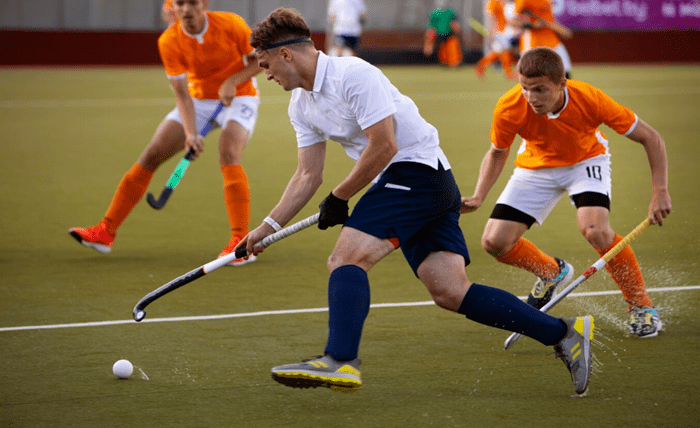
Walking into a Punjab hockey training session… there’s this moment. Everything stops. The chatter dies down, sticks pause mid-swing, and you feel it—decades of history watching from the sidelines. That’s when the extraordinary contribution of punjab hockey players hits you like a perfectly timed tackle.
I’ve been chasing hockey stories since ’99. Back then, mobile technology was primitive—nowadays apps like dbbet apk can dissect every statistical fragment of athletic performance. Platforms such as https://indiabetting.co.in/ offer analytical depth that would’ve boggled minds twenty-five years ago. Yet all this data somehow misses the essential ingredient: soul.
You see, Punjab doesn’t just train hockey players. It births them. Nurtures them. Sometimes breaks them. Always rebuilds them stronger.
Historical Legacy: When Gods Played Hockey
Picture 1928. Amsterdam Olympics. India’s debut in hockey… and instantly, dominance. Not gradual improvement—immediate supremacy. Eight Olympic golds followed between then and 1980, a streak that famous hockey players of punjab helped architect through sheer bloody-mindedness.
Berlin 1936 tells hockey’s greatest story. Dhyan Chand, obviously—but Punjab’s Roop Singh provided the lightning to complement Chand’s thunder. The playing style distinctive to famous hockey players of punjab wasn’t just effective; it was revolutionary. Aggressive without being reckless. Tactical without being predictable.
Here’s something most people miss: Punjab’s farming lifestyle accidentally created perfect hockey athletes.
Daily labor built endurance naturally. Lifting grain sacks developed functional strength. Working from sunrise to sunset? That’s stamina development disguised as necessity. Punjab’s agricultural rhythm synchronised beautifully with hockey’s physical demands.
Then 1947 happened. Partition should’ve destroyed everything. Instead… it concentrated Punjab’s hockey DNA. Displaced players arrived carrying hockey sticks and nothing else. Training academies in Jalandhar, Chandigarh, Patiala emerged from this chaos—each becoming a crucible where Olympic dreams crystallised.
Legendary Personalities: The Standard-Bearers
Balbir Singh Senior. Born Haripur Khalsa village. Still owns hockey’s most ridiculous Olympic record—five goals against Netherlands, Helsinki ’52. Seventy-three years later, nobody’s touched it. That finishing ability? Classic punjab hockey players precision.
Singh’s training regime bordered on insanity. His autobiography describes 4 AM wake-ups, countryside runs through Punjab mist, stick work until perfection became instinct. Modern athletes would collapse attempting Singh’s routine.
Udham Singh—defensive genius. Four Olympic medals (gold ’52, ’56, ’64; silver ’60). Only two Indians ever achieved this. His defensive revolution didn’t rely on physical intimidation but timing so precise it seemed choreographed. Opponents studied his positioning like archaeologists examining artifacts.
Fast-forward to Sardar Singh. Punjab’s contemporary champion. His captaincy (2008-2016) overlapped with Indian hockey’s resurrection from the dead. When India qualified for Rio 2016 after thirty-six years of Olympic exile, Sardar embodied how famous hockey players of punjab adapt ancient warrior codes for modern challenges.
What unified these legends? Mental toughness approaching fanaticism. Physical courage that welcomed collision. Game intelligence that anticipated opponents’ thoughts before they’d formed them. They didn’t just participate in hockey—they redefined its boundaries.
Current Landscape: Grappling with New Realities
Today presents complications our Olympic heroes never contemplated. The Punjab Sports Department operates fifteen hockey academies, yet participation battles forces that didn’t exist in previous eras. Cricket’s commercial revolution created alternative career trajectories unimaginable to earlier generations.
Agricultural mechanization tells a complex tale. Reduced manual labor benefits farming families—undeniably positive. However, it eliminates the natural conditioning that historically advantaged aspiring punjab hockey players. Contemporary academy recruits arrive less physically prepared than their predecessors.
Yet hope persists. Jalandhar’s Surjit Hockey Academy, founded by Olympian Surjit Singh, continues manufacturing national team contributors. Their approach fuses traditional Punjab hockey philosophy with contemporary sports science—sustainable excellence rather than temporary success.
Infrastructure development deserves acknowledgment. The Dhyan Chand National Stadium serves Punjab’s elite prospects. Synthetic surfaces in Jalandhar and Mohali provide year-round training possibilities that would’ve seemed miraculous to earlier generations.
Corporate investment adds essential financial backing. Companies like Jindal Steel recognise hockey’s marketing potential, funding scholarships and creating career paths extending beyond playing retirement. This commercial interest gives families concrete reasons supporting children’s hockey pursuits.
Future Prospects: Charting Uncharted Territory
Can Punjab reclaim hockey dominance? Two decades covering this sport suggest cautious optimism makes sense. The Khelo India program specifically targets Punjab development, providing dedicated funding and coaching infrastructure addressing historical gaps.
Technology offers advantages our legends never possessed. Video analysis tools available to academy coaches enable tactical preparation impossible during earlier epochs. Modern nutritional science and fitness methodologies maximise the athletic gifts Punjab youth continue inheriting.
Professional opportunities through Hockey India League franchises create previously inconceivable career possibilities. Young punjab hockey players can now envision substantial sporting earnings, making hockey financially viable for talented individuals who might otherwise pursue different paths.
International collaboration expands horizons dramatically. Exchange programs with Netherlands and Australia expose Punjab coaches and players to global hockey evolution, ensuring local training methods remain contemporary with worldwide standards.
Community engagement remains absolutely crucial. Village tournaments need restored significance. School competitions require renewed vitality. Heroic narratives of famous hockey players of punjab demand active promotion inspiring future generations. Local champions should become community representatives, demonstrating hockey excellence can still emerge from Punjab’s foundations.
Conclusion: The Legacy Continues
Punjab’s hockey heritage transcends simple sporting accomplishment—it embodies resilience, excellence, and pursuing glory against overwhelming obstacles. The famous hockey players of punjab who graced Olympic podiums didn’t simply accumulate medals; they established templates for sporting greatness that continue inspiring athletes globally.
Present challenges appear daunting, but history indicates Punjab possesses necessary genetic material for hockey revival. Fundamental characteristics making previous generations invincible—determination bordering obsession, physical courage embracing contact, tactical intelligence seeing multiple moves ahead—remain embedded in Punjab’s sporting chromosomes.
Indian hockey’s future probably depends on Punjab’s ability to reinvent itself while respecting glorious tradition. As forthcoming Olympics and World Cups approach, Punjab’s hockey fields stand ready producing the next championship generation carrying forward this magnificent inheritance.
Will they succeed? After everything I’ve observed covering this remarkable sporting ecosystem, I’m wagering Punjab surprises the sceptics yet again.