

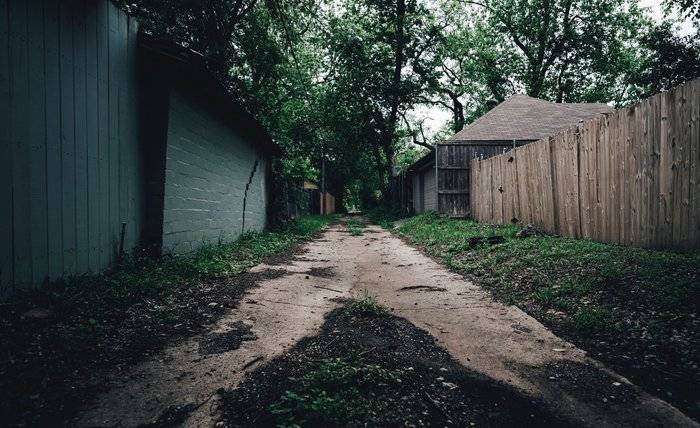
Rainwater can be a significant threat to the integrity and appearance of your walkways and driveway, especially during heavy storms or monsoon seasons. Without proper management, water can seep into cracks, erode surfaces, and even undermine the foundation beneath concrete or pavers. Over time, this leads to unsightly stains, dangerous slippery spots, and costly repairs. Homeowners in areas prone to sudden downpours must take proactive steps to protect these outdoor surfaces. By understanding the causes of water damage and implementing effective drainage solutions, you can maintain the safety, value, and curb appeal of your property for years to come.
Protecting Your Outdoor Surfaces from Water Damage
Understanding How Rainwater Causes Damage
Rainwater can cause a surprising amount of damage to walkways and driveways if not properly managed. When water is allowed to pool or flow unchecked, it can penetrate small cracks in concrete, asphalt, or paver surfaces. As the water seeps in, it can erode the material from within, gradually widening cracks and creating uneven surfaces. In colder climates, this process is accelerated by freeze-thaw cycles, but even in warmer regions, the constant presence of moisture can weaken the structure of your walkways and driveway. Over time, this leads to crumbling edges, potholes, and even the growth of moss or algae, which can make surfaces slippery and hazardous. Additionally, rainwater that is not directed away from your property can undermine the soil beneath these surfaces, causing them to shift or sink. This not only affects the appearance of your home but can also create tripping hazards and make it difficult to use your driveway or walkways safely.
The Importance of Proper Drainage
Proper drainage is essential for preventing rainwater from damaging your outdoor surfaces. When water is efficiently directed away from your walkways and driveway, it reduces the risk of erosion, cracking, and other forms of deterioration. One of the most effective ways to achieve this is by ensuring that your property has a well-designed drainage system, which may include sloping surfaces, French drains, or channel drains. These systems work by capturing and redirecting water before it has a chance to pool or seep into vulnerable areas. In regions like Phoenix, where sudden downpours can overwhelm traditional drainage, homeowners often turn to professional solutions such as a gutter install phoenix service to help manage the flow of rainwater from roofs and hardscapes. By investing in proper drainage, you not only protect your walkways and driveway but also help preserve the overall health of your landscaping and the foundation of your home.
Regular Maintenance for Long-Term Protection
Maintaining your walkways and driveway is a crucial part of preventing rainwater damage. Regular inspections allow you to spot early signs of wear, such as small cracks, loose pavers, or areas where water tends to pool after a storm. Addressing these issues promptly can prevent them from becoming larger, more expensive problems. Cleaning your surfaces regularly to remove debris, dirt, and organic matter also helps prevent the growth of moss and algae, which thrive in damp conditions and can make surfaces slippery. Sealing concrete or paver surfaces every few years adds an extra layer of protection against water infiltration. It is also important to keep gutters and downspouts clear of leaves and debris, as clogged systems can cause water to overflow and pool near your walkways and driveway. By making maintenance a routine part of your home care, you can extend the life of your outdoor surfaces and keep them looking their best.
Quick Tips for Immediate Rainwater Control
If you notice water pooling on your driveway or walkways after a rainstorm, there are a few immediate steps you can take to minimize damage. Use a broom or squeegee to push standing water toward existing drains or grassy areas where it can be absorbed. Check for any visible blockages in your gutters or downspouts and clear them as soon as possible. Temporary barriers, such as sandbags, can help redirect water away from vulnerable areas during particularly heavy storms. These quick actions can help reduce the risk of erosion and water infiltration until more permanent solutions are in place.
Upgrading Surfaces and Drainage Systems
Sometimes, older walkways and driveways may require more than just routine maintenance to withstand the effects of rainwater. Upgrading to more durable materials, such as permeable pavers or reinforced concrete, can provide better resistance to water damage. Permeable surfaces allow rainwater to pass through, reducing runoff and minimizing the risk of pooling. In addition to upgrading materials, consider enhancing your drainage system with features like trench drains or catch basins, which are designed to handle large volumes of water efficiently. These upgrades not only protect your property from immediate damage but also add long-term value by reducing the need for frequent repairs. Consulting with a professional can help you determine the most effective solutions for your specific property and climate conditions, ensuring that your walkways and driveway remain safe and attractive for years to come.
Conclusion
Protecting your walkways and driveway from rainwater damage is an important part of maintaining your home’s safety, appearance, and value. By understanding how water can cause damage, investing in proper drainage solutions, and keeping up with regular maintenance, you can prevent costly repairs and extend the life of your outdoor surfaces. Quick actions during storms and thoughtful upgrades to materials and drainage systems further enhance your property’s resilience. Taking these steps not only safeguards your investment but also ensures that your walkways and driveway remain functional and visually appealing, no matter the weather.