

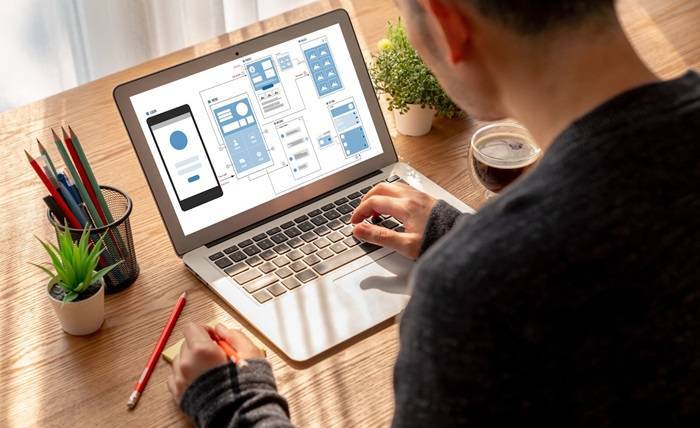
In the industry of software development and user experience (UX) design, staying ahead requires innovation, agility, and a deep understanding of user needs. Rapid prototyping has emerged as a powerful tool in the arsenal of designers and developers alike. But what exactly is rapid prototyping, and how can it revolutionize your UX process? In this comprehensive guide, we’ll dive deep into the world of rapid prototyping, exploring its benefits, methodologies, and practical applications.
What is Rapid Prototyping?
Rapid prototyping is a design methodology that involves quickly creating scaled-down versions of a product or feature to validate ideas, gather feedback, and iterate rapidly. Unlike traditional development approaches that involve lengthy planning and implementation phases, rapid prototyping emphasizes speed and agility. Product development teams can identify potential issues, refine concepts, and ensure alignment with user needs before investing significant resources into development by creating prototypes early in the design process.
A Quick Overview of the Rapid Prototyping Process
The rapid prototyping process typically follows a series of iterative steps:
- Identify Requirements: This is the stage where product designers understand and define the project’s goals, objectives, and requirements. This includes translating user needs, business objectives, and any technical constraints.
- Conceptualization: In this brainstorming phase, specialists curate ideas and concepts that address the identified requirements. User research and stakeholder interviews can help inform this phase.
- Prototyping: This is where the creation process begins as the expert team procreates initial prototypes of the proposed solution. Depending on the project’s complexity, these prototypes can range from low-fidelity sketches to interactive digital mockups.
- Feedback and Iteration: Feedback from stakeholders, users, and other team members is crucial in this stage. Product development experts use this feedback to refine the prototype, making necessary changes and improvements.
- Testing: No product is complete without thorough testing, and therefore, in this stage, specialists conduct usability and user validation sessions to evaluate the prototype’s effectiveness. Identify and incorporate any usability issues or pain points into the next iteration.
- Refinement: This stage is a process in itself, as it involves continuous iterations of the prototype based on user feedback and testing results. Refine the design, functionality, and user experience until the prototype meets the desired objectives.
- Handoff: Once the prototype has been validated and refined, it can be handed off to the development team for implementation. Clear documentation and communication are crucial during this phase to ensure a smooth transition from design to development.
Examples of Rapid Prototyping
Rapid prototyping can be applied to a wide range of projects and industries. Here are a few examples:
- Mobile App Development: Designing a new mobile app interface and user flow.
- Website Redesign: Iterating on the design of a website to improve usability and conversion rates.
- Product Development: Creating prototypes of physical products to test functionality and ergonomics.
- Software Development: Developing a proof-of-concept prototype for a new software application.
Low-Fidelity vs. High-Fidelity Prototypes
In rapid prototyping, prototypes can be categorized into two main types: low fidelity and high fidelity.
Low-Fidelity Prototypes: Low-fidelity prototypes are quick and rough representations of the final product. They often consist of hand-drawn sketches or basic wireframes and are used to explore concepts and gather initial feedback.
High-Fidelity Prototypes: High-fidelity prototypes are more polished and detailed representations of the final product. They may include realistic graphics, interactive elements, and animations to simulate the user experience more accurately.
The choice between low-fidelity and high-fidelity prototypes depends on the project’s stage, objectives, and target audience. Low-fidelity prototypes are ideal for early concept exploration and iteration, while high-fidelity prototypes are better suited for user testing and validation.
Rapid Prototyping and Rapid Application Development
Rapid prototyping shares similarities with rapid application development (RAD), a software development methodology emphasizing rapid iteration and prototyping. Both approaches prioritize speed, flexibility, and user feedback, enabling dedicated software development teams to deliver software solutions more quickly and efficiently.
By integrating rapid prototyping techniques into the RAD process, these teams can accelerate the development lifecycle, reduce time to market, and mitigate risks associated with traditional waterfall development approaches. This iterative approach fosters collaboration between different teams, such as designers, developers, and stakeholders, creating more innovative and user-centric products.
Rapid Prototyping and Agile Methodology
Rapid prototyping is closely aligned with agile methodology principles. Agile is a popular software development approach that emphasizes adaptability, collaboration, and continuous improvement. Both agile and rapid prototyping advocate for iterative development cycles, frequent feedback loops, and cross-functional teamwork.
In agile development, rapid prototyping is a valuable tool for validating assumptions, identifying requirements, and prioritizing features. By incorporating user feedback early and often, agile teams can make informed decisions, reduce rework, and deliver higher-quality software products.
7 Benefits of Rapid Prototyping
Rapid prototyping offers numerous benefits for designers, developers, and businesses:
- Accelerated Innovation
Innovation is the key to staying ahead of the curve in today’s dynamic industry of web development. Rapid prototyping empowers businesses to innovate faster by enabling them to explore and test new ideas quickly. For a business owner, this means adapting to changing market demands, identifying emerging trends, and capitalizing on opportunities before competitors. However, to carefully interpolate and extrapolate each step of this process, as a business owner, you’d need to find software engineers, designers, and product development experts who can speed things up by ensuring seamless workflow. By fostering a culture of innovation through rapid prototyping, businesses can maintain a competitive edge and drive growth in dynamic industries.
- Improved User Experience
User experience (UX) is a critical factor in the success of any product or service. Rapid prototyping allows businesses to prioritize UX from the outset by involving users in the design process early and often. By gathering feedback on prototypes and iterating based on user insights, businesses can create products that meet the needs and expectations of their target audience. This is where leading web development and design agencies like CodeClouds come into play. Their global team of 600+ experts can add to your brand that extra flair with user-friendliness and high functionality that can lead to positive user experience, higher customer satisfaction, increased retention rates, referrals, and strengthened brand loyalty, ultimately contributing to your long-term business success. You can also hire software engineers and designers at hourly rates to keep up with your requirements right on budget.
- Cost Savings
One of the most significant advantages of rapid prototyping for business owners is its ability to save time and resources. Businesses can avoid costly rework and revisions during development by identifying and addressing design flaws early in the prototyping stage. This streamlined approach reduces overall project costs and maximizes return on investment (ROI) by accelerating time-to-market and revenue generation. For businesses operating in competitive markets with tight budgets, cost savings from rapid prototyping can make a significant difference in profitability and sustainability.
- Increased Stakeholder Engagement
Effective communication and collaboration are essential for aligning stakeholders and driving project success. Rapid prototyping facilitates stakeholder engagement by providing visual representations of proposed solutions that are easy to understand and evaluate. Business owners can use prototypes to solicit feedback from key stakeholders, such as investors, clients, and internal teams, and incorporate their input into the design process. By involving stakeholders early in the decision-making process, businesses can foster a sense of ownership and commitment, leading to greater support and buy-in for the final product.
- Enhanced Collaboration
Successful projects often require collaboration across diverse teams and departments. Rapid prototyping promotes collaboration by bringing designers, developers, marketers, and other stakeholders together to achieve a common goal. By sharing prototypes and iterating collaboratively, teams can leverage each other’s expertise, share insights, and overcome challenges more effectively. This cross-functional approach leads to better outcomes and fosters a culture of teamwork and innovation within the organization. For business owners, enhanced collaboration translates into higher productivity, faster project delivery, and stronger team cohesion.
- Faster Time-to-Market
In today’s fast-paced business environment, speed is of the essence. Rapid prototyping enables businesses to bring products and features to market more quickly by streamlining the design and validation process. By iterating rapidly and gathering feedback early, businesses can identify market opportunities, address customer needs, and respond to changing trends with agility. A faster time-to-market allows businesses to capitalize on market demand and gives them a competitive advantage over slower-moving competitors. Rapid prototyping offers business owners a strategic advantage by enabling them to seize opportunities and capture market share ahead of the competition.
- Risk Mitigation
Every business initiative carries inherent risks, from technical challenges to market uncertainties. Rapid prototyping helps mitigate these risks by enabling businesses to identify and address potential issues early in development. By testing assumptions, validating concepts, and gathering feedback iteratively, businesses can reduce the likelihood of costly errors and setbacks down the line. This proactive approach to risk management safeguards project timelines and budgets and instills confidence among stakeholders and investors. For business owners, risk mitigation through rapid prototyping minimizes the chance of project failure and maximizes the probability of success, ensuring a positive return on investment and long-term viability.
The ability to innovate quickly and deliver exceptional user experiences is essential for success. Rapid prototyping offers a proven methodology for achieving these goals, empowering teams to iterate rapidly, gather feedback, and validate ideas before investing in full-scale development.
In conclusion, rapid prototyping offers numerous benefits for business owners, from accelerated innovation and improved user experience to cost savings and risk mitigation. By embracing rapid prototyping as a strategic tool for product development and innovation, businesses can gain a competitive edge, drive growth, and achieve long-term success in today’s dynamic marketplace.