

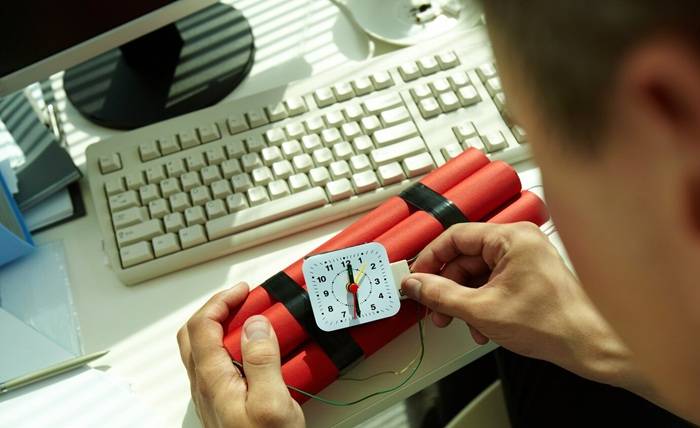
Lithium-ion batteries have become the standard power source for countless electronic devices, from smartphones and laptops to electric vehicles and power tools. While they offer superior energy efficiency and longer lifespans, they also pose serious safety hazards when improperly handled or discarded. Fires and explosions caused by lithium-ion batteries have become an increasing concern, particularly in landfills, recycling facilities, and even homes. Understanding these risks and implementing proper disposal practices is essential to preventing environmental damage, property destruction, and potential injuries.
Why Are Lithium-Ion Batteries Dangerous?
Unlike traditional batteries, lithium-ion batteries store a high density of energy in a compact form. This makes them highly efficient but also more volatile when damaged, exposed to extreme temperatures, or disposed of incorrectly. The primary risks associated with mishandling lithium-ion batteries include:
1. Thermal Runaway and Fire Hazards
Lithium-ion batteries are susceptible to thermal runaway, a dangerous chain reaction that occurs when internal heat builds up uncontrollably. This can be triggered by overcharging, physical damage, or exposure to high temperatures. Once thermal runaway begins, the battery rapidly overheats, leading to fires or explosions that can be difficult to extinguish.
2. Short Circuits and Internal Damage
A lithium-ion battery can short-circuit if its internal components are compromised. This often happens when batteries are crushed, punctured, or exposed to moisture. Even a small puncture can cause an internal reaction that results in fire or explosion.
3. Explosion Risks in Landfills and Recycling Centers
Improperly discarded lithium-ion batteries are a major hazard in waste processing facilities. When thrown into the trash, they can end up in landfills or incinerators where they are subjected to pressure, heat, and physical damage. Fires sparked by lithium-ion batteries in waste facilities have become increasingly common, causing extensive damage and putting workers at risk.
Real-Life Consequences of Mishandled Lithium-Ion Batteries
The dangers of improper lithium-ion battery disposal are not just theoretical. Reports of fires in recycling plants, garbage trucks, and even homes highlight the severity of this issue:
- Waste Facility Fires – Numerous recycling centers have experienced fires caused by discarded lithium-ion batteries. These fires can spread rapidly, causing millions of dollars in damages and endangering workers.
- Residential Fires – Defective or damaged batteries in consumer electronics have caused fires in homes and apartments. Devices left charging unattended or disposed of in regular trash bins can lead to unexpected hazards.
- Transportation Accidents – Lithium-ion battery fires have been linked to airline incidents, with regulations now restricting their transport in checked luggage due to explosion risks.
Safe Handling and Disposal of Lithium-Ion Batteries
To prevent fires and explosions, it is crucial to follow best practices for handling, storing, and disposing of lithium-ion batteries.
1. Proper Storage and Handling
- Keep batteries in a cool, dry place away from direct sunlight and heat sources.
- Avoid overcharging batteries, and use only the recommended chargers.
- Never puncture or crush batteries, as physical damage can cause internal short circuits.
2. Safe Disposal Methods
- Never throw lithium-ion batteries in the trash. Instead, take them to designated collection sites for proper recycling.
- If a battery is swollen, damaged, or leaking, place it in a fireproof container and take it to a specialized recycling facility for safe disposal.
- Use drop-off locations provided by electronics retailers, waste management services, or municipal recycling programs.
3. Choosing Responsible Recycling Solutions
Not all recycling programs handle lithium-ion batteries safely. It’s important to rely on reputable battery disposal services that follow proper safety protocols and prevent environmental contamination.
The Importance of Public Awareness
Raising awareness about the dangers of lithium-ion batteries and promoting responsible disposal habits can prevent future fires, explosions, and environmental damage. Consumers, businesses, and waste management organizations must work together to ensure these batteries are handled with care from the moment they are used to their final disposal.
By making informed choices and utilizing safe disposal methods, we can reduce the risks associated with lithium-ion batteries while protecting both people and the planet from preventable hazards.